Apple and Google join forces to make AirTag safer and protect its users from stalkers
The companies submitted a proposed specification through the Internet Engineering Task Force
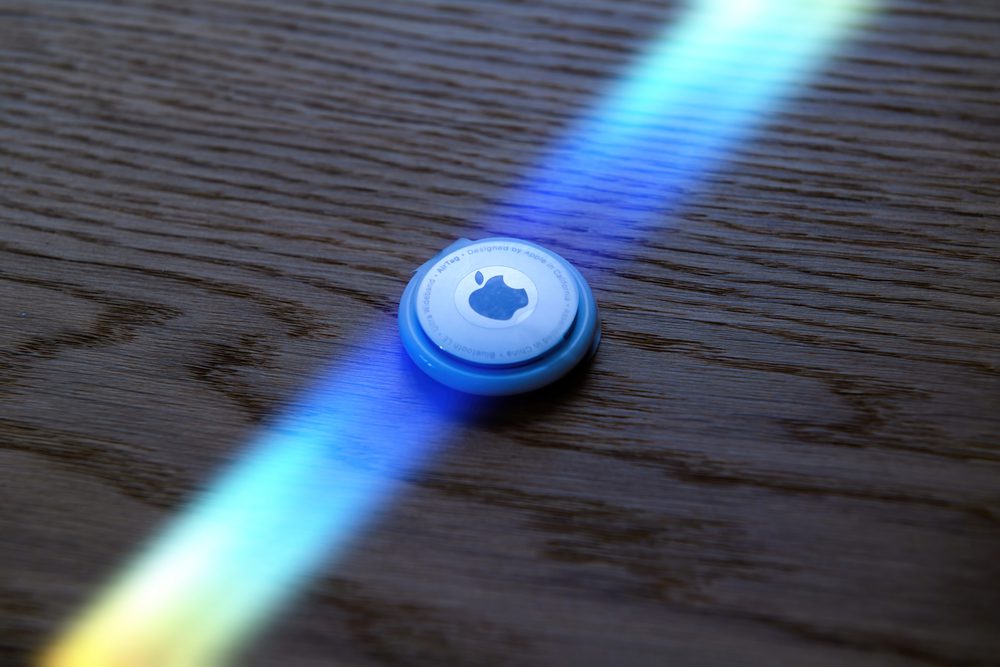
Following multiple incidents involving the misuse of Bluetooth trackers, such as Apple’s AirTag, for stalking and other unlawful purposes, Apple and Google have made a joint announcement. They have declared their collaboration to spearhead an industry-wide effort aimed at developing a specification that would notify users in the event of undesired tracking by Bluetooth devices.
The companies have expressed their intention to seek input from other participants in the industry as well as advocacy groups. Notably, other tracker manufacturers, including Samsung, Tile, Chipolo, eufy Security, and Pebblebee, have also indicated their interest in participating in the drafting process.
The companies have submitted a proposed specification, in the form of an Internet-Draft, through the Internet Engineering Task Force (IETF), a standards development organisation. They are now extending an invitation to other interested parties to review and provide comments on the specification over the next three months.
Following this period, Apple and Google will provide their feedback and subsequently release a finalised implementation of the specification by the end of the year. This implementation will be supported in future versions of iOS and Android, as announced by the companies.
Although Apple’s AirTag was not the initial Bluetooth tracker to raise security concerns regarding misuse (as Tile and other similar products had already been available for years), Apple’s advantage lies in its ability to seamlessly integrate AirTag with its vast ecosystem of over 2 billion Apple devices worldwide, including more than 1 billion iPhones.
This integration is facilitated through Apple’s “Find My” network, which rapidly positioned AirTag as one of the dominant players in the market. Furthermore, Apple’s widespread adoption of Bluetooth trackers for locating lost items helped popularise this technology, which was previously considered niche, and consequently turned these devices into widely recognised household names.